Art History Performances 2025

I have been recreating performances for students to show them live examples of art through history. These videos show different artist performances I have recreated. Students enter the class and watch me perform a moment of art history, then respond to it in any way they like on a piece of paper. This pedagogical approach is informed by Carol Wilds research on neuroaesthetics, especially her idea of “stopping for knowledge” where aesthetic experience interrupts routine thinking and sharpens attention. By re-performing key sound and performance art works, I attempt to create moments that engage students through action and emotion. Wild’s model of the Aesthetic Triad shows how sensory, emotional and cognitive systems work together in these encounters. This supports deeper learning and memory that offers a more active and embodied way to teach art history.

Steve Reich - Pendulum Music

Pendulum Music (For Microphones, Amplifiers, Speakers, and Performers) is a composition by Steve Reich that uses suspended microphones and speakers to produce phased feedback tones. The piece was originally composed in 1968.

Nam June Paik - Violin with String

Nam June Paik performed Violin with String (also known as Violin to be Dragged on the Street, 1961) at Charlotte Moorman’s 12th Annual New York Avant Garde Festival. I have interpreted Paiks violin piece by using modular synthesis on an iPhone that triggers sound as the violin hits the floor.

Alvin Lucier - I Am Sitting in a Room

Alvin Lucier’s I Am Sitting in a Room was composed in 1969. It explores the acoustic properties of space by repeatedly recording and playing back his own voice until only resonant frequencies remain. The piece transforms speech into pure sound and blurs the line between language and music. I decided to change the text to have it fit the environment I was in.

Laurie Anderson - Violin

Laurie Anderson’s tape-bow violin replaces the strings with magnetic tape and the bow with a playback head. As she plays it the motion produces recorded sounds instead of traditional violin tones. I have modified a violin to show the techniques that Anderson used (although slightly different).

Steve Reich - Its Gonna Rain

Steve Reich’s It’s Gonna Rain (1965) uses tape loops of a preacher’s voice recorded in San Francisco. The phase shifting between the loops creates complex rhythmic and tonal patterns from a single spoken phrase showcasing Reichs phasing concept. To demonstrate this piece, I took audio from a popular meme that that students know called 'Can I Pet That Dog?'. I used two tape recorders at different speeds to show phasing.

John Cage - 4'33"

John Cage’s 4′33″ (1952) is a composition in which the performer remains silent for four minutes and thirty-three seconds. The piece reveals the ambient sounds of the environment as the true music. This was performed in Oxleas Woods as part of a deep listening lesson.

RhythmZero

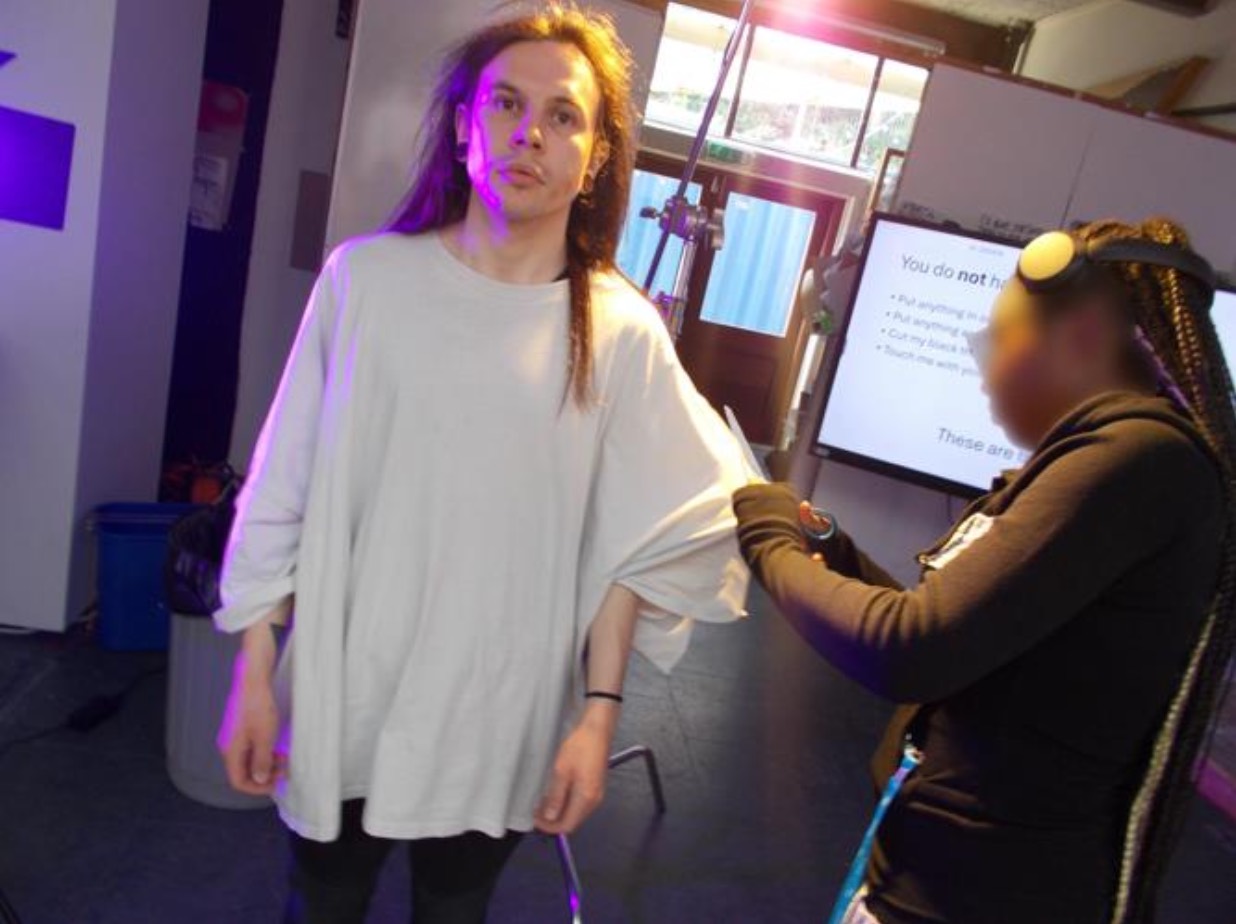
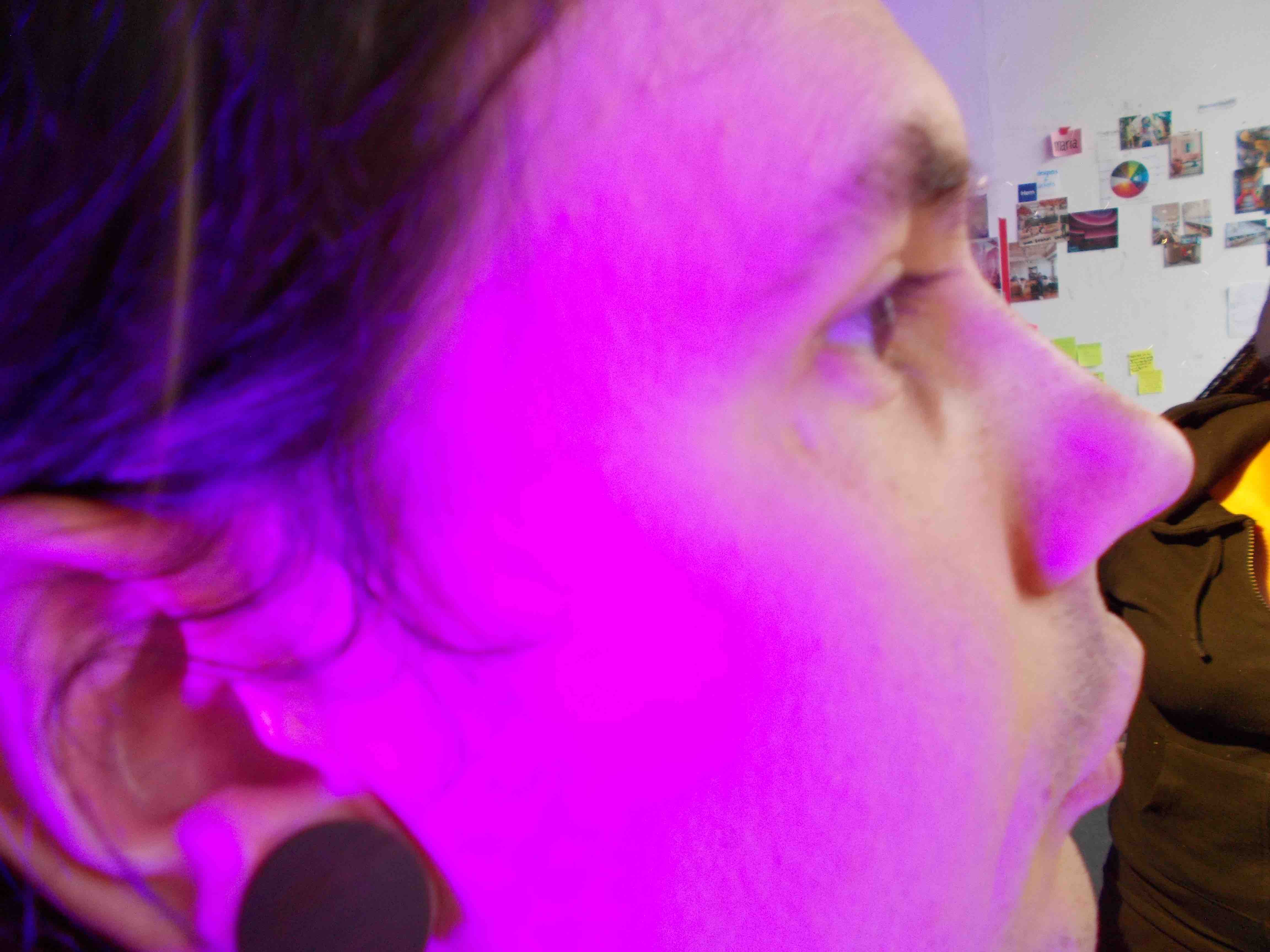
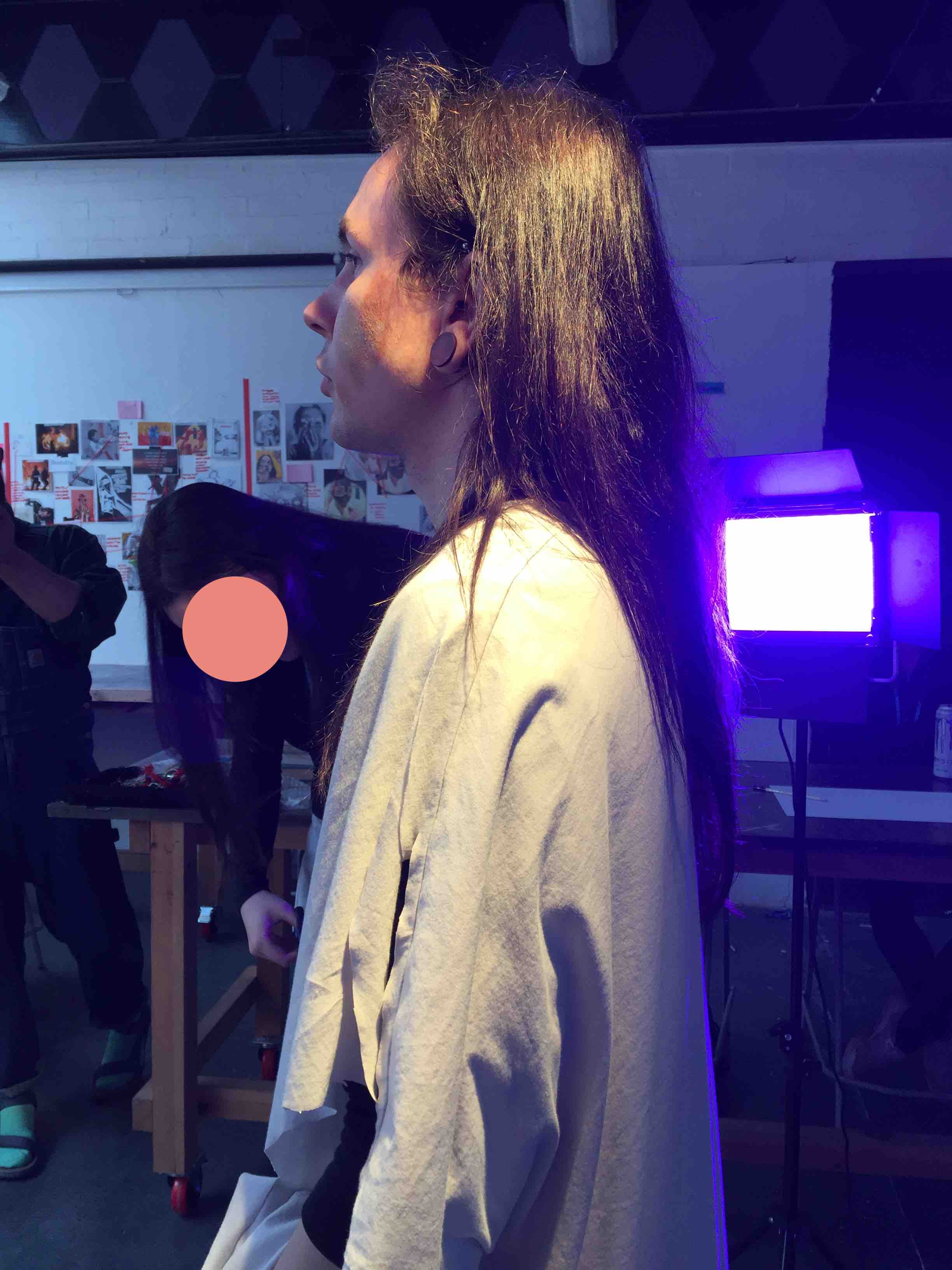
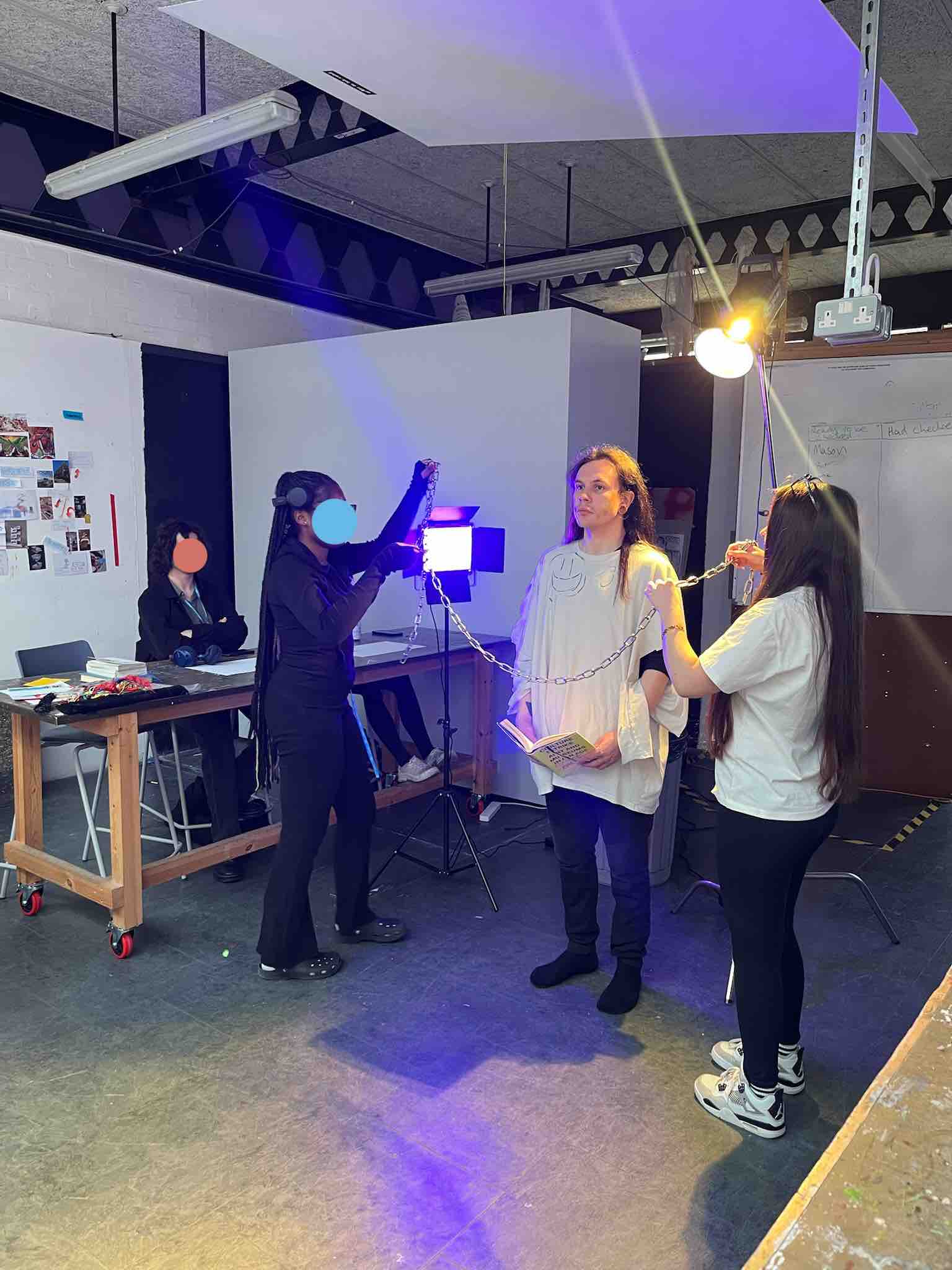
Marina Abramović - Rhythm 0

Marina Abramović’s Rhythm 0 (1974) invited the audience to use 72 objects on her body in any way they chose. The performance exposed the extremes of human behaviour and the vulnerability of the artist. There had to be adjustments for a classroom setting so there was a series of rules on the board. The board read 'You do not have the permission to put anything in or around my ears, put anything around my eyes except makeup, cut my black thermal underlay clothing, touch me with your hands'. There were cameras as objects and the photos you see here were taken by the students or my supervising mentor. After the performance, the lesson focused on a discussion about consent in art.